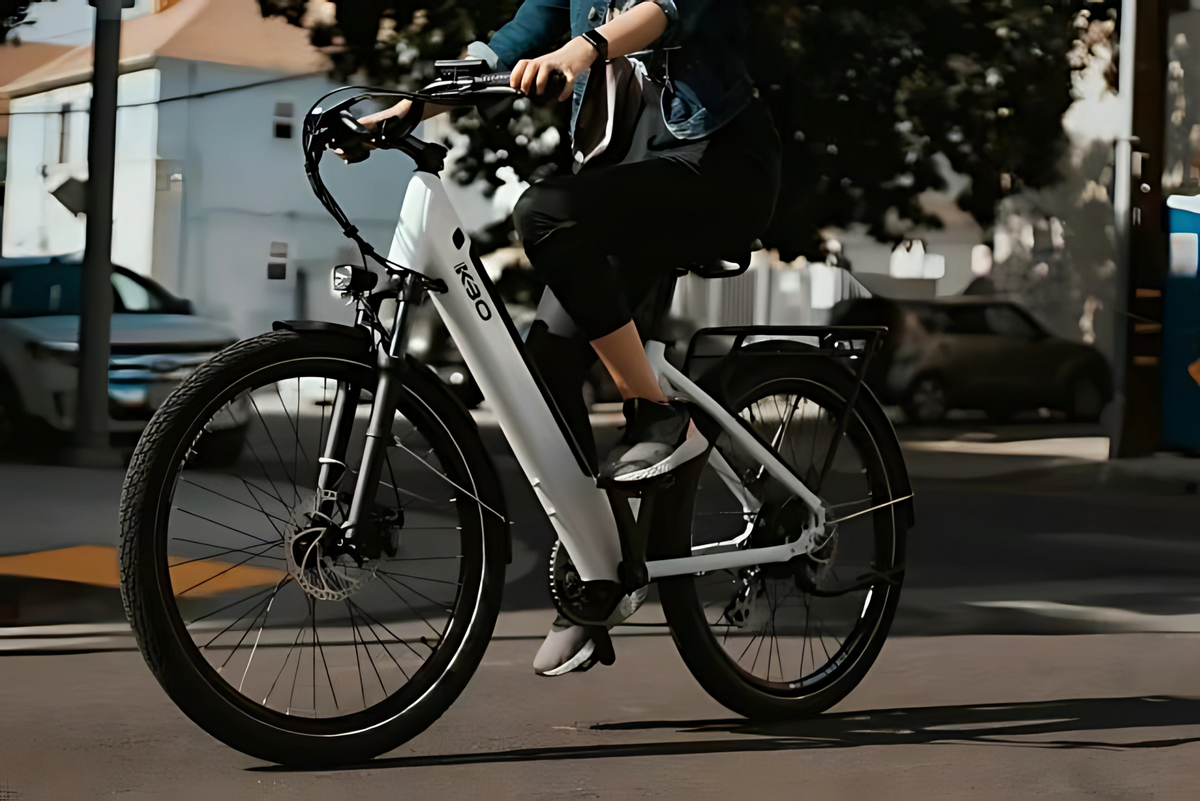

As cities become more congested and environmental concerns grow, the search for sustainable transportation solutions has gained importance. Enter the electric bike (e-bike)—a versatile and eco-friendly mode of transport that’s practical and enjoyable for daily use. Whether aiming to reduce emissions, avoid traffic, or enjoy a smoother ride, e-bikes are increasingly popular for urban mobility. Here’s why they’re transforming the way we travel.
1. Eco-Friendly Transportation
One of the main reasons to consider an e-bike is its environmental impact. Unlike traditional transportation powered by fossil fuels, e-bikes run on electricity and produce no emissions during use. Even if the electricity for charging is generated from fossil fuels, e-bikes still have a lower carbon footprint compared to many other options. In cities where air quality and pollution are concerns, switching to electric bikes can help reduce urban congestion and improve air quality. By choosing an e-bike, riders support cleaner environments and more sustainable cities.
2. Cost-Effective and Low Maintenance
While the initial purchase of an e-bike can be higher than a standard bicycle, long-term savings are notable. E-bikes have fewer moving parts than many vehicles, resulting in lower maintenance costs. The expense of charging is minimal—roughly 5-10 cents per charge—making it an economical alternative to fuel-based transportation. Many local authorities also offer incentives, rebates, or tax credits to encourage use of electric bikes, further reducing the upfront cost. When compared to the costs associated with owning and maintaining a vehicle, e-bikes are a budget-friendly choice.
3. Avoid Traffic Congestion
One of the biggest frustrations in daily commuting is traffic and parking. E-bikes provide a way to navigate through urban congestion, utilizing bike lanes and shortcuts to reach destinations faster. They can help you bypass traffic jams and reduce time spent in transit, making your trips more efficient. Many riders find that e-bikes offer a smoother and quicker way to commute, especially in crowded areas.
4. Pedal Assistance for Less Effort
A key feature of e-bikes is the assistance provided during pedaling. The electronic system helps propel the bike, reducing the effort needed, especially on inclines or longer rides. This makes cycling accessible for a wider range of people—including those with physical limitations or those who want to arrive without exertion. Assistance levels can often be adjusted, allowing riders to tailor their experience and enjoy cycling with less fatigue.
5. Physical Activity with Less Strain
Even with assistance, riding an e-bike involves pedaling, which can support cardiovascular activity and muscle engagement. It’s a gentle way to incorporate movement into daily routines, suitable for various fitness levels. The ability to adjust assistance encourages more people to ride regularly, making physical activity more achievable and enjoyable.
6. Versatility for Various Needs
E-bikes come in many styles to suit different lifestyles. Whether you prefer a lightweight foldable model for public transit, a rugged model for outdoor adventures, or a sleek city bike, there’s an option for everyone. They can serve multiple purposes—commuting, errands, recreational riding, or outdoor exploring—making them a flexible choice for daily life.
7. Enhance Well-Being and Mood
Commuting often involves navigating traffic, crowded spaces, and long hours, which can be draining. Riding an e-bike offers an opportunity to make travel more engaging—through parks, scenic routes, or open areas—helping to improve mood and overall well-being. Many riders report feeling more energized and relaxed after their rides, contributing positively to daily routines.
8. The Future of Urban Transportation
As cities expand and the need for sustainable solutions increases, e-bikes are becoming an integral part of urban mobility. Many cities are investing in infrastructure such as dedicated bike lanes, parking spaces, and bike-sharing programs. The rise of shared e-bike services makes it easier for individuals to access electric bikes for short trips without the need for ownership. This trend supports broader efforts toward shared, flexible transportation options.
Conclusion: A Smarter, Greener Way to Travel
E-bikes are more than a trend—they are part of a movement toward sustainable and efficient urban travel. Offering a cleaner, more flexible alternative to conventional transportation, they can help reduce commute times and promote active lifestyles. Whether you’re looking to minimize your environmental impact, save on transportation costs, or avoid traffic hassles, an e-bike could be a valuable addition to your daily routine.
Why not explore the possibilities? Hop on an e-bike, and take a step toward a more sustainable and enjoyable way to get around.
What Makes an E-Bike Good for Commuting?
A good commuter e-bike is predictable, easy to live with and matched to the route. Maximum motor output matters less than whether the bike has enough range, comfortable fit, reliable braking, practical tire choice and a battery routine that works with your schedule. Storage at home and at work can be just as important as performance.
For a lightweight full-size option, compare the Urtopia Carbon 1 Pro. Riders with tighter storage constraints can look at the Urtopia Carbon Fold 1, while the HOVSCO HovRanger represents a more conventional commuter-oriented platform.
Build the Bike Around the Route
Measure the commute in both directions and add margin for detours, errands and battery degradation over time. Identify the steepest hill, the roughest road section and whether you need to carry the bike up stairs. A bike that looks ideal on a spec sheet can become frustrating if it is too heavy for your apartment or if the battery has to be charged at work every day.
The Best E-Bikes for Commuting collection is a useful starting point. For model-level context, read the Carbon 1 Pro review and Carbon Fold review.
Commuting Costs Are More Than the Purchase Price
Budget for locks, lights, racks or bags, routine maintenance and eventual battery replacement. The economics can still compare favorably with driving or ride-hailing on many routes, but the correct comparison is total ownership cost rather than electricity alone.
Before switching, use the Pros and Cons of Electric Bikes guide to decide whether the tradeoffs fit your lifestyle.
Practical Commuter Checklist
- Round-trip distance plus a battery reserve.
- Secure storage at both ends of the trip.
- Bike weight if stairs are involved.
- Fenders, racks or bags for real-world weather and cargo.
- Comfortable riding position for repeated daily use.
- Tire and suspension choice that matches the road surface.
- Charging access and a realistic maintenance routine.
When an E-Bike Is Not the Best Commuting Tool
An e-bike is less compelling when secure storage is unavailable, the route requires carrying the bike up multiple flights of stairs, or local infrastructure makes the trip uncomfortable or unsafe. A shorter conventional bike ride, public transit or a folding non-electric bike can sometimes be the simpler solution.
The goal is not to force every commute onto an e-bike. It is to identify routes where electric assistance meaningfully improves reliability, effort, parking or travel time without creating a new storage or security problem.
One More Commuting Factor: Reliability of the Routine
The best commuter bike is the one you can use consistently. A slightly less powerful bike with easy charging, secure storage and predictable range can be more useful than a higher-spec bike that is difficult to lift, park or maintain. Build the decision around the routine you will repeat five days a week.
Consistency matters more than headline specifications.